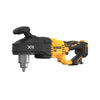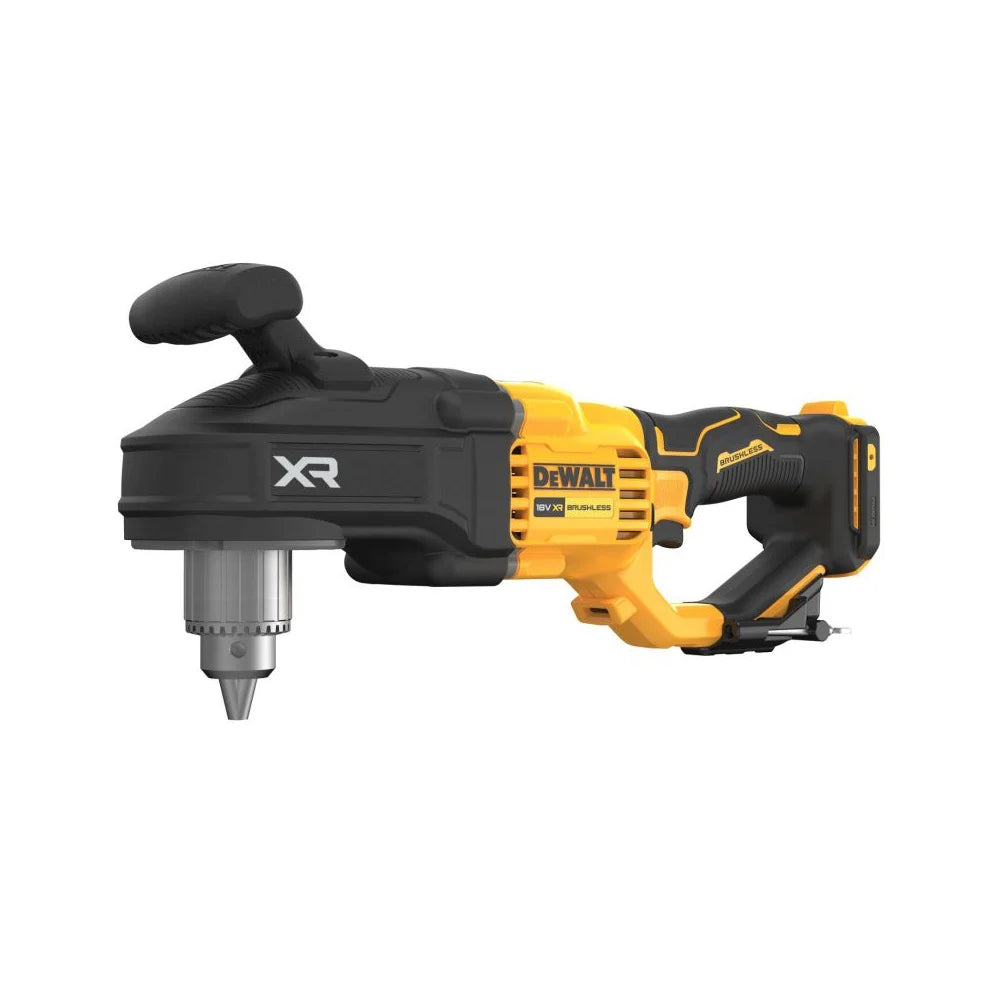
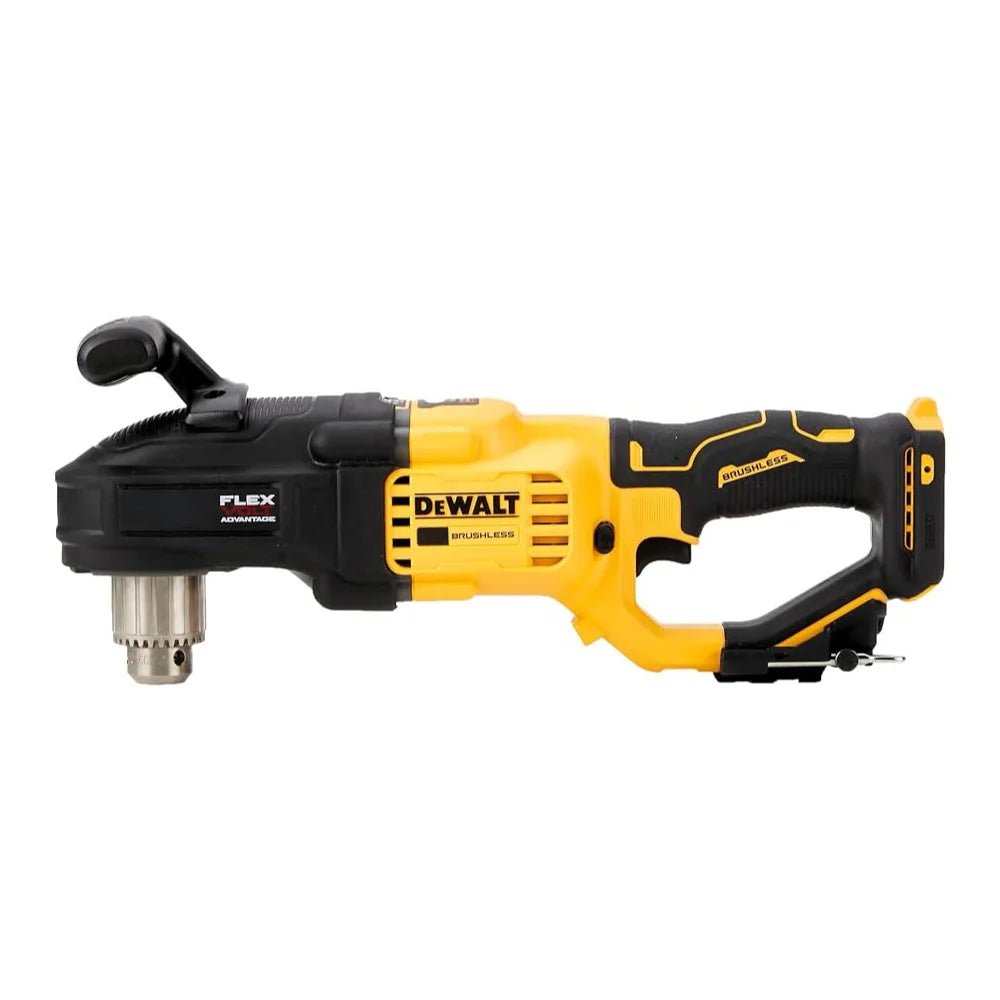
DEWALT 18V Brushless Stud Joist Drill | DCD444N
Need Pricing?
Get the best deal tailored to your quantity.
Checkout
Delivery
Returns
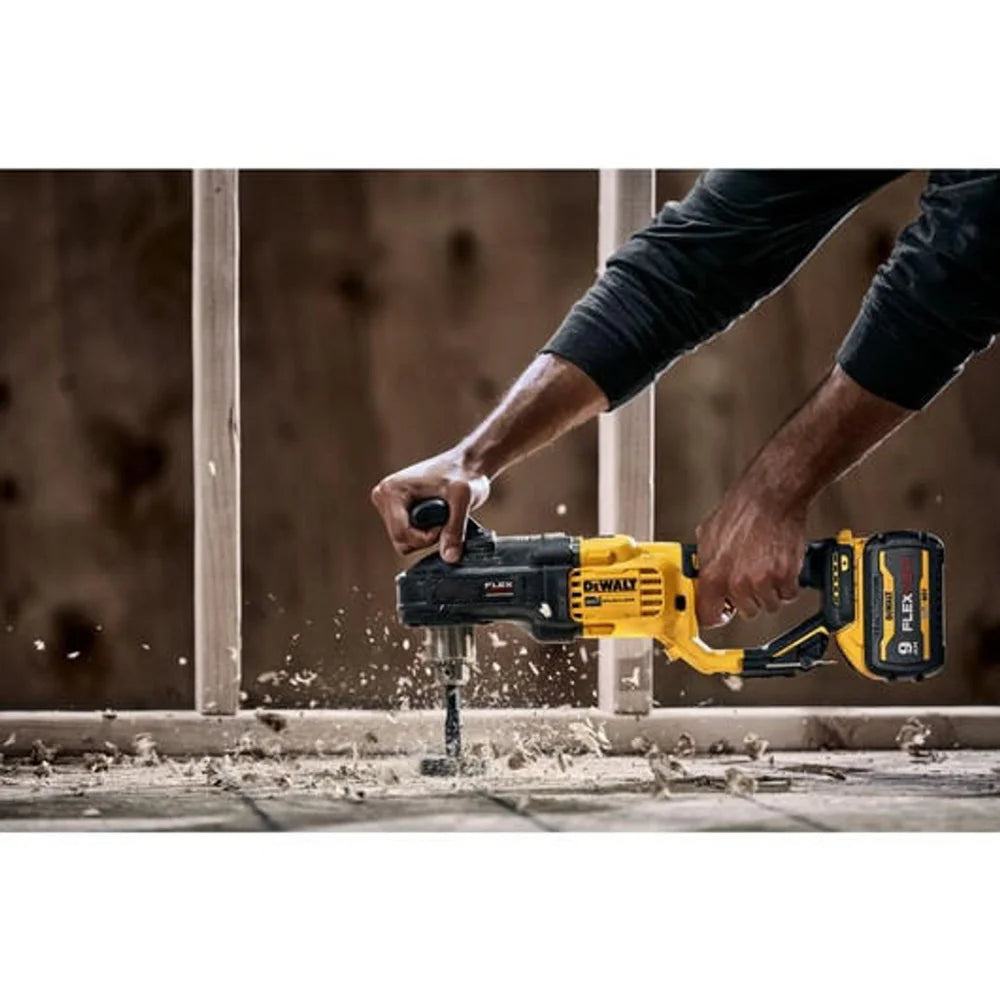
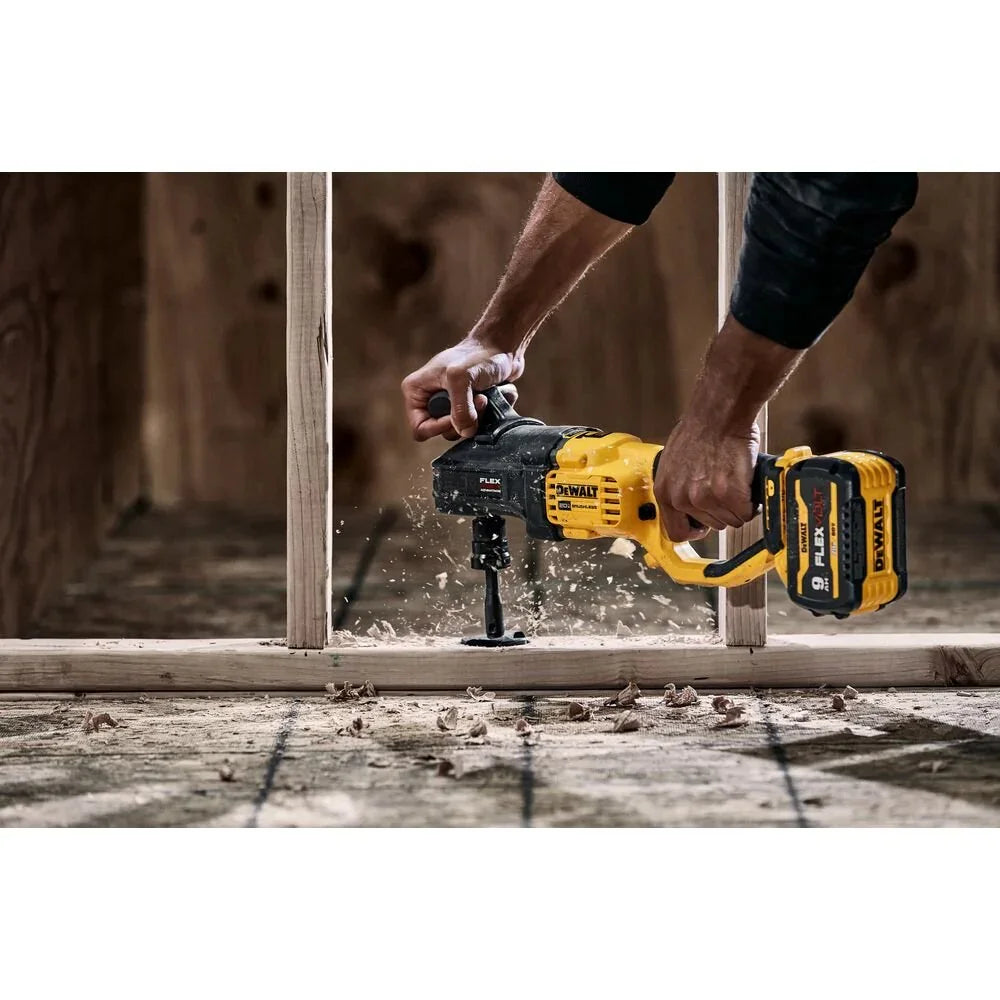
The DCD444 Brushless Compact Stud and Joist Drill is designed for a variety of heavy-duty applications, particularly in construction and carpentry. Here are some common applications:
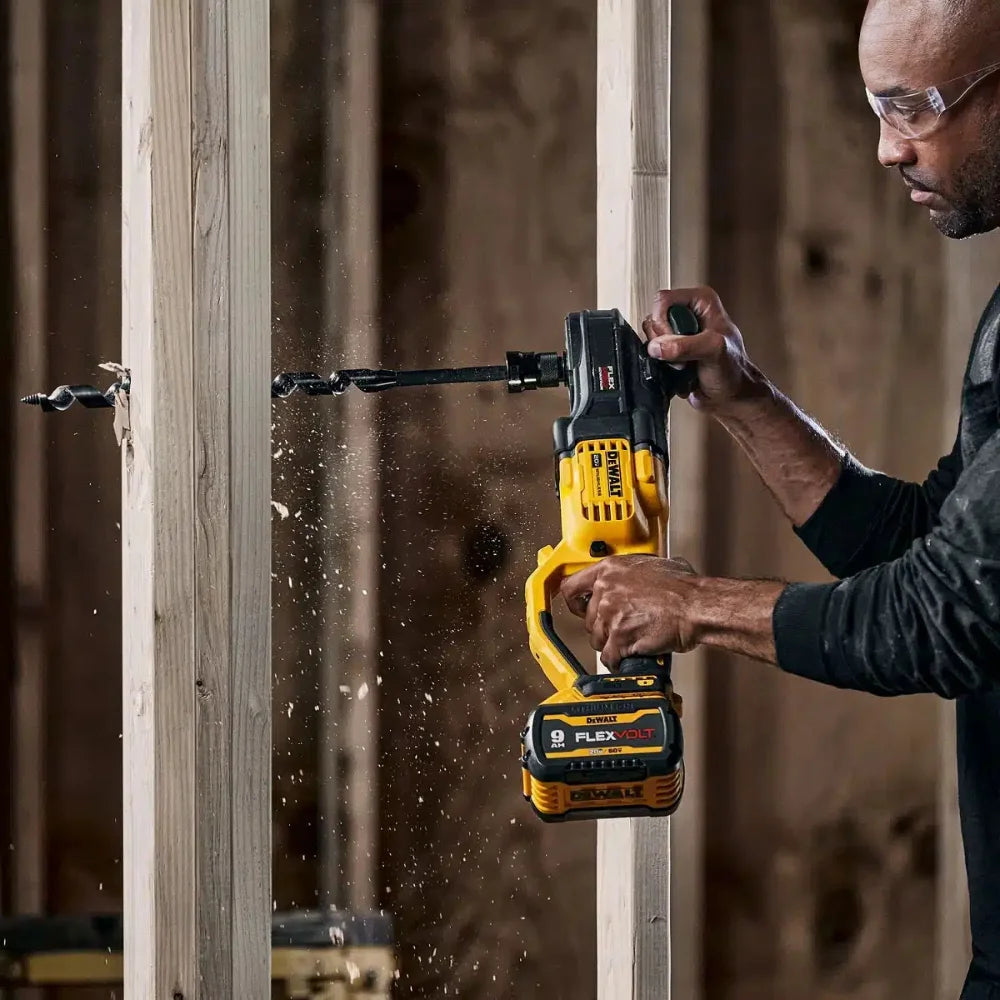
- Framing and Stud Work: Ideal for drilling holes in wood studs for running electrical wires, plumbing pipes, and other utilities.
- Fencing: High torque for quick drilling into fence poles
- Joist Drilling: Used for drilling through floor and ceiling joists to install HVAC ductwork, plumbing, and electrical conduit.
- Timber Construction: Useful for drilling large diameter holes in timber structures, such as beams and posts, for bolting and securing components.
- Deck Building: Used for drilling holes for bolts and other fasteners when constructing outdoor decks and similar structures.
- Industrial Maintenance: Employed in maintenance tasks where drilling into metal beams or other tough materials is required.
Features:
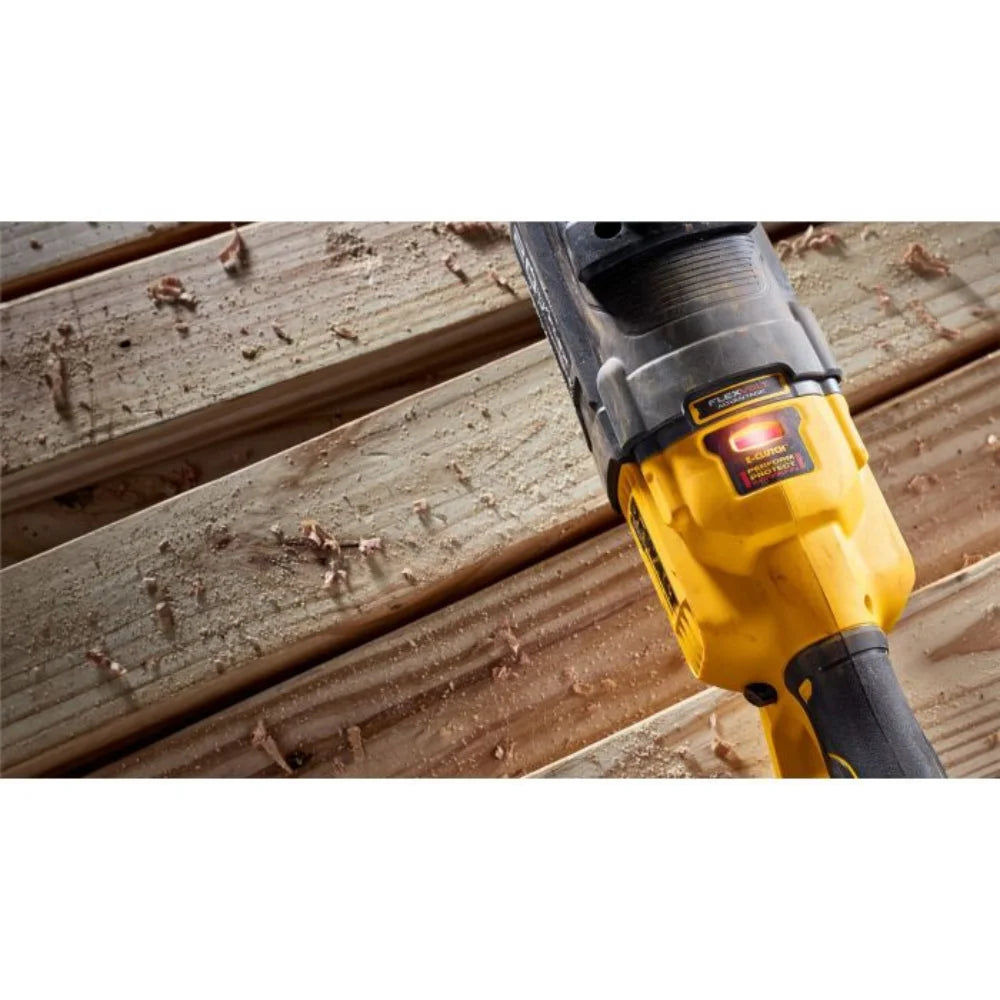
- Brushless Motor: Delivers high performance, extends tool life and allows for a much shorter design
- Anti-Rotation System: Senses the motion of the tool and shuts it down if the user loses control
- LED Light: For high visibility in low light situations
- Metal Transmission: For increased runtime and longer tool life
- Capacity: Drill up to 102 mm with a Hole Saw, 65 mm with a self-feed bit and 35 mm with a auger bit
Use-full Tips:
Drilling in Metal
Start drilling with slow speed and increase to full power while applying firm pressure on the tool. A smooth even flow of metal chips indicates the proper drilling rate. Use a cutting lubricant when drilling metals. The exceptions are cast iron and brass, which should be drilled dry.
- 11 mm holes in steel can be made easier if a pilot hole [4 to 5 mm] is drilled first.
- When using a cutting lubricant, be sure not to get the lubricant on the tool.
Drilling in Wood
Start drilling with slow speed and increase to full power while applying firm pressure on the tool. Holes in wood can be made with the same twist drills used for metal. These bits may overheat unless pulled out frequently to clear chips from the flutes. Work that is apt to splinter should be backed up with a block of wood